每天打開水龍頭,看似清澈的飲用水,可能含有肉眼看不見的金屬。其中,銅不僅是人體必需的微量元素,也可能因管線腐蝕進入飲用水。究竟飲用水中的銅對健康有什麼影響?除了銅,還有哪些容易被忽略的金屬風險?就讓公共衛生專家胡景堯教授告訴你。
家中飲用水,可能藏著哪些重金屬風險?


銅是人體必需的微量元素,參與能量代謝、鐵的利用、結締組織形成、神經功能及抗氧化作用。人體主要透過腸道吸收,並由肝臟調節及膽汁排泄,維持體內銅的平衡。因此,銅是否對健康造成影響,取決於攝取量、銅的存在形態、攝取方式及個人體質等因素。[1–3]
一般人主要從食物攝取銅,飲用水通常只占少部分。然而,當飲用水中的銅濃度較高,尤其在空腹飲用時,可能引起噁心、嘔吐、腹痛或腹瀉等腸胃不適。至於嚴重肝臟損傷,則多見於高劑量暴露、長期顯著過量,或銅代謝與排泄異常者,不能僅因飲水中檢出低濃度銅,就推定已造成健康損傷。[2–4,6,7]
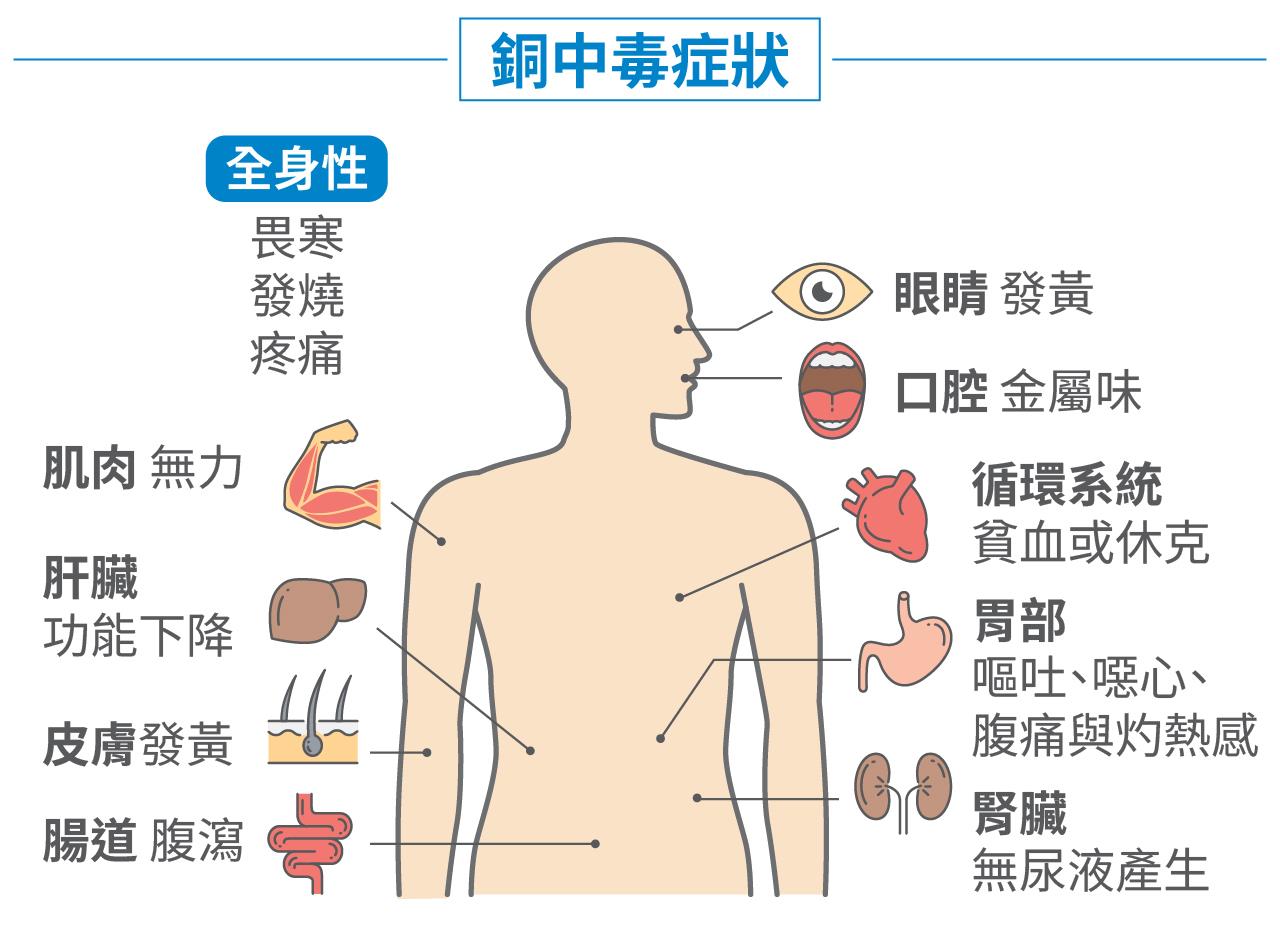
此外,嬰幼兒的銅代謝與排泄系統發育尚未完全,對高濃度銅暴露應更加謹慎;威爾森氏症等銅代謝異常患者,也屬於較需注意的族群。不過,目前健康嬰兒因飲水中的銅而發生慢性肝病的證據仍有限。[3,4,9,10]

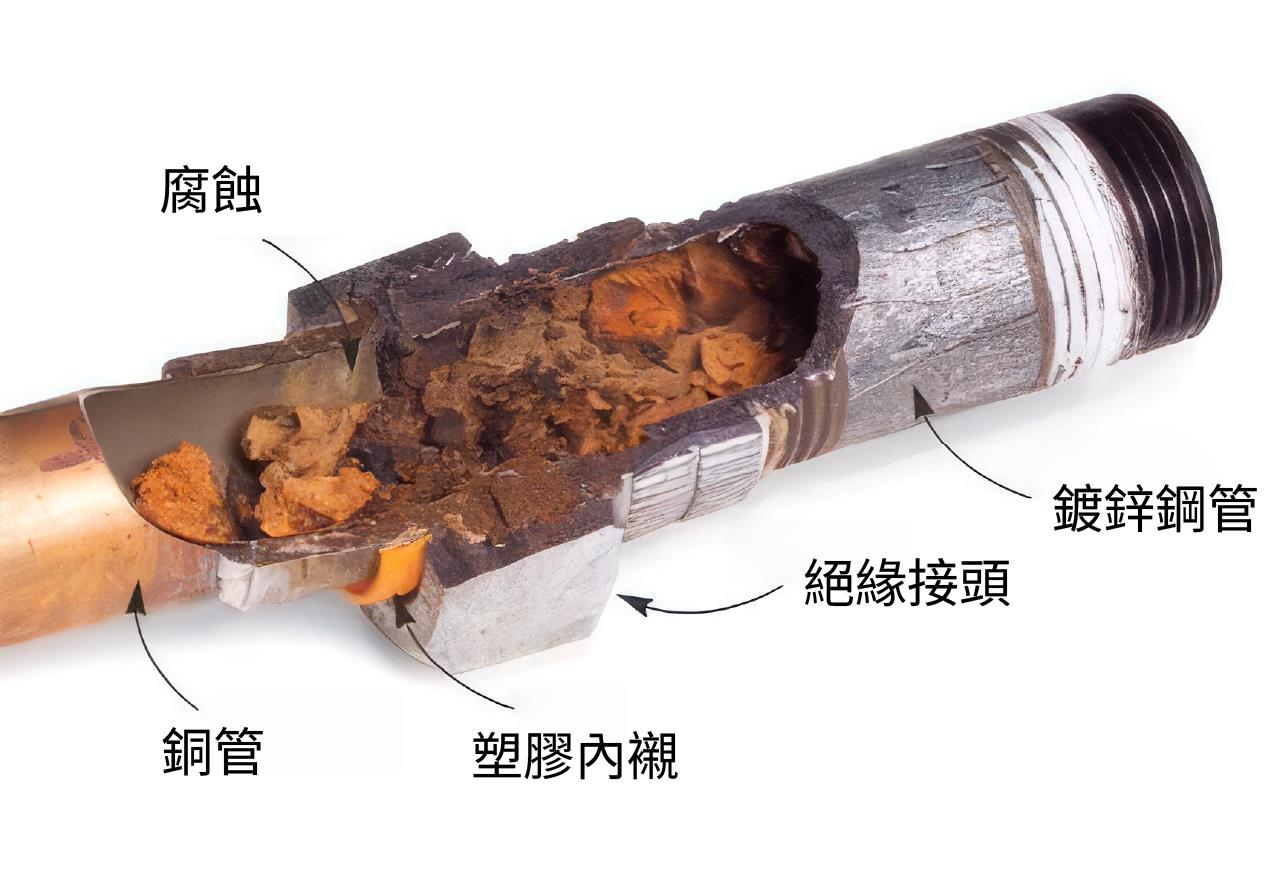
飲用水中的銅不一定來自水源。在許多使用銅管的供水系統中,水流經建築物內的銅管、黃銅水龍頭、閥件及接頭時,若管線或零件受到腐蝕,就可能使銅釋出至水中。不過,天然地質、採礦或工業活動也可能影響水源,仍須透過檢測確認實際來源。[4,5,11]
影響銅釋出的因素不只有管線材質,水的酸鹼度、鹼度、溶氧及消毒劑等,也可能改變管線腐蝕的情況。銅在腐蝕過程中,可能以溶解態或細小顆粒進入水中,因此不能只憑水的外觀判斷是否含有銅。[5,11–14]

水在管線中停留的時間,也是影響銅濃度的重要因素。例如夜間或長時間未使用水龍頭時,銅可能從管線內壁逐漸釋出並累積在靜置水中,使最初流出的水含銅濃度高於充分放流後的水。因此,即使是同一個水龍頭,不同時間取得的水樣,也可能出現不同的檢測結果。[4,5]
此外,管線腐蝕程度還會受到水質及材料相容性影響。當不同金屬管材相互連接時,也可能增加局部腐蝕風險,因此管線材料的選擇、正確施工與水質控制同樣重要。[5,11]

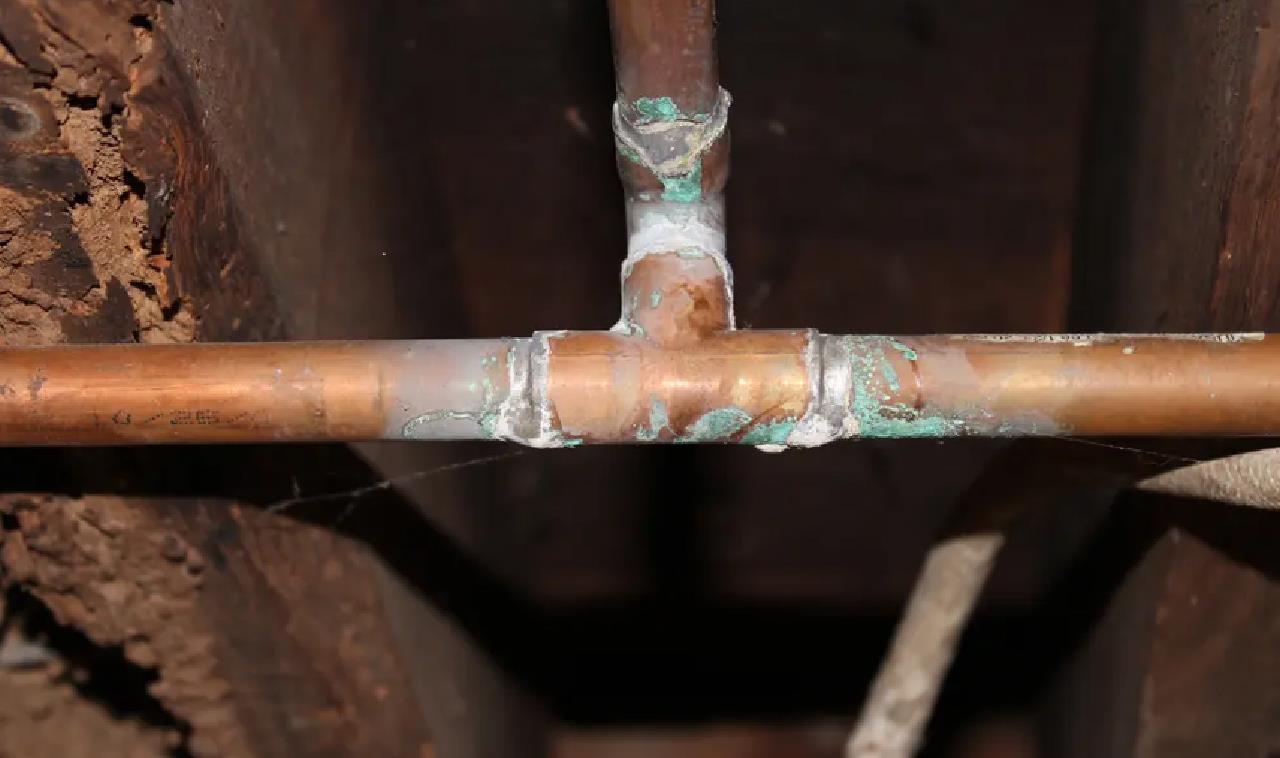
除了銅管,水龍頭、閥件及接頭常用的黃銅,也可能是金屬釋出的來源。黃銅主要由銅與鋅組成,在特定水質條件下可能發生「脫鋅」腐蝕,使鋅選擇性溶出,留下多孔的富銅結構,造成材料結構劣化,並影響後續金屬釋出,但這不代表必然會大量釋出銅。[15,16]
更值得注意的是,部分含鉛黃銅零件,在腐蝕性水質、長時間停滯或顆粒脫落等情況下,也可能釋出鉛。與人體必需的銅、鋅不同,鉛並非人體必需元素,且具有累積性神經毒性,尤其可能影響兒童的神經發育,孕婦也需要特別留意。現代低鉛或無鉛零件雖能降低材料來源風險,仍需符合飲用水接觸材料規範。[16–19]
此外,部分管線或金屬零件也可能涉及鎳等其他金屬的釋出。因此,當飲用水中銅濃度異常升高時,不應只關注銅本身,也應進一步了解管線材質與腐蝕狀況,必要時評估鉛、鋅、鎳等其他金屬。不過,銅濃度升高並不代表其他金屬一定同時存在,仍須依實際檢測結果判斷。[5,11,16–19]

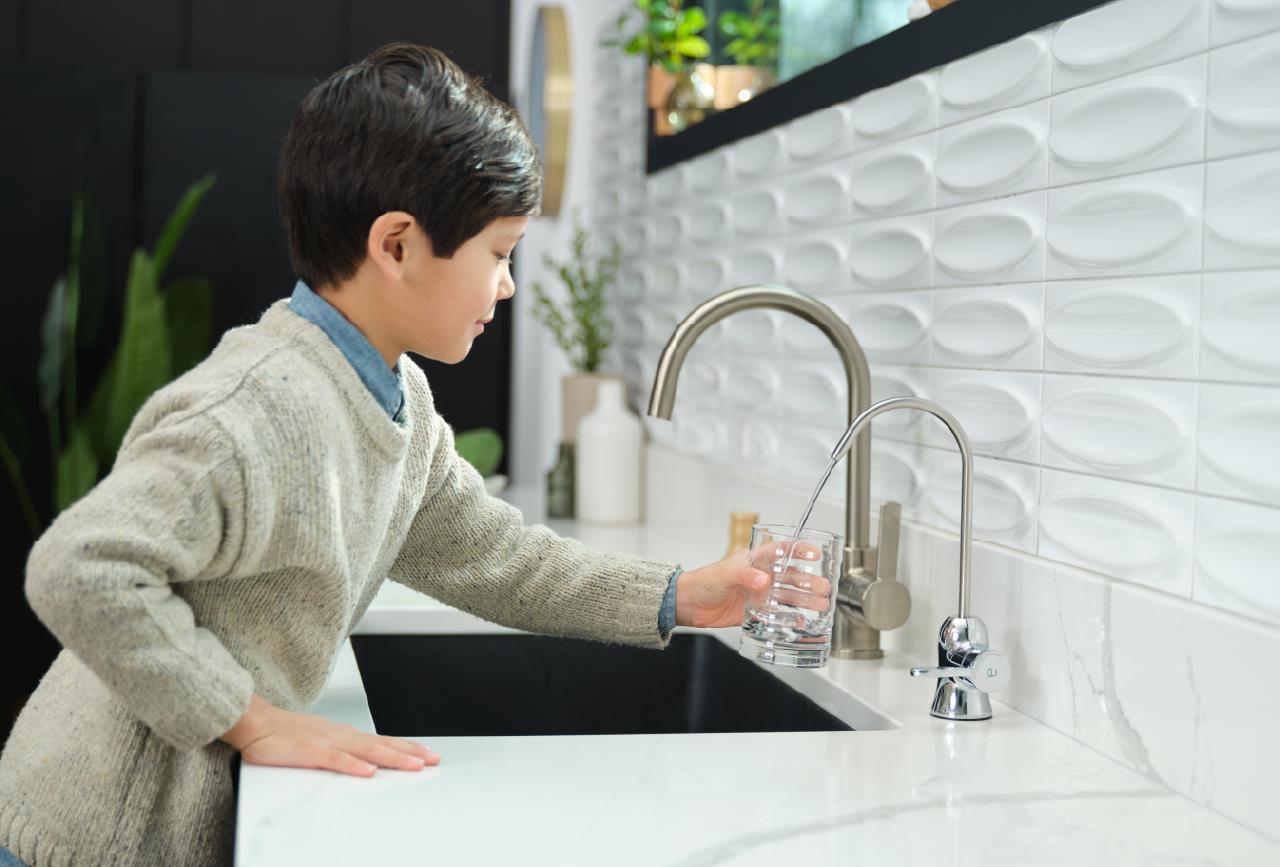
飲用水中的銅除了涉及健康風險,也可能是管線腐蝕的警訊。當檢測出現異常值時,應進一步確認污染來源及管線狀況。日常可在長時間未使用水龍頭後適當放流,飲用及烹調使用冷水,並定期清潔水龍頭起泡器。若金屬濃度持續異常,仍需透過專業檢測、腐蝕控制或材料更換等方式改善。[4,5,11]
由於飲用水中的金屬可能來自建築管線、水龍頭及接頭等設備,因此除了重視水源品質,更應留意家中實際飲用的水質。選擇符合水質需求、具有特定污染物去除能力的末端淨水設備,能為家庭飲水增加一道防護,讓日常飲水更安心。[4,5]
參考文獻
[1] Institute of Medicine. (2001). Dietary Reference Intakes for Vitamin A, Vitamin K, Arsenic, Boron, Chromium, Copper, Iodine, Iron, Manganese, Molybdenum, Nickel, Silicon, Vanadium, and Zinc. National Academies Press. https://doi.org/10.17226/10026
[2] National Research Council. (2000). Copper in Drinking Water. National Academies Press. https://doi.org/10.17226/9782
[3] Stern, B. R., Solioz, M., Krewski, D., Aggett, P., Aw, T.-C., Baker, S., Crump, K., Dourson, M., Haber, L., Hertzberg, R., Keen, C., Meek, B., Rudenko, L., Schoeny, R., Slob, W., & Starr, T. (2007). Copper and human health: Biochemistry, genetics, and strategies for modeling dose-response relationships. Journal of Toxicology and Environmental Health, Part B, 10(3), 157–222. https://doi.org/10.1080/10937400600755911
[4] World Health Organization. (2022). Guidelines for Drinking-water Quality: Fourth Edition Incorporating the First and Second Addenda. World Health Organization.
[5] Schock, M. R., & Lytle, D. A. (2011). Internal corrosion and deposition control. In J. K. Edzwald (Ed.), Water Quality & Treatment: A Handbook on Drinking Water (6th ed.). McGraw-Hill and American Water Works Association.
[6] Pizarro, F., Olivares, M., Uauy, R., Contreras, P., Rebelo, A., & Gidi, V. (1999). Acute gastrointestinal effects of graded levels of copper in drinking water. Environmental Health Perspectives, 107(2), 117–121. https://doi.org/10.1289/ehp.99107117
[7] Araya, M., Chen, B., Klevay, L. M., Strain, J. J., Johnson, L., Robson, P., Shi, W., Nielsen, F., Zhu, H., Olivares, M., Pizarro, F., & Haber, L. T. (2003). Confirmation of an acute no-observed-adverse-effect and low-observed-adverse-effect level for copper in bottled drinking water in a multi-site international study. Regulatory Toxicology and Pharmacology, 38(3), 389–399. https://doi.org/10.1016/j.yrtph.2003.08.002
[8] Gaetke, L. M., Chow-Johnson, H. S., & Chow, C. K. (2014). Copper: Toxicological relevance and mechanisms. Archives of Toxicology, 88, 1929–1938. https://doi.org/10.1007/s00204-014-1355-y
[9] European Association for Study of Liver. (2012). EASL clinical practice guidelines: Wilson's disease. Journal of Hepatology, 56(3), 671–685. https://doi.org/10.1016/j.jhep.2011.11.007
[10] World Health Organization. (2008). Copper in Drinking-water: Background Document for Development of WHO Guidelines for Drinking-water Quality. WHO/HSE/AMR/08.01/4.
[11] American Water Works Association. (2017). Internal Corrosion Control in Water Distribution Systems (Manual M58, 2nd ed.). American Water Works Association.
[12] Boulay, N., & Edwards, M. (2001). Role of temperature, chlorine, and organic matter in copper corrosion by-product release in soft water. Water Research, 35(3), 683–690. https://doi.org/10.1016/S0043-1354(00)00320-1
[13] Lytle, D. A., & Schock, M. R. (2008). Pitting corrosion of copper in waters with high pH and low alkalinity. Journal AWWA, 100(3), 115–129. https://doi.org/10.1002/j.1551-8833.2008.tb09602.x
[14] Kimbrough, D. E. (2001). The effect of free chlorine on the aquatic corrosion of copper plumbing systems. Journal AWWA, 93(2), 81–91. https://doi.org/10.1002/j.1551-8833.2001.tb09131.x
[15] Association for Materials Protection and Performance. (n.d.). Dezincification. https://www.ampp.org/technical-research/what-is-corrosion/forms-of-corrosion/dezincification
[16] Dudi, A., Schock, M. R., Murray, N. C., & Edwards, M. (2005). Lead leaching from inline brass devices: A critical evaluation of the existing standard. Journal AWWA, 97(8), 66–78. https://doi.org/10.1002/j.1551-8833.2005.tb10947.x
[17] Triantafyllidou, S., & Edwards, M. (2012). Lead (Pb) in tap water and in blood: Implications for lead exposure in the United States. Critical Reviews in Environmental Science and Technology, 42(13), 1297–1352. https://doi.org/10.1080/10643389.2011.556556
[18] Sandvig, A., Kwan, P., Kirmeyer, G., Maynard, B., Mast, D., Trussell, R. R., Trussell, S., Cantor, A., & Prescott, A. (2008). Contribution of Service Line and Plumbing Fixtures to Lead and Copper Rule Compliance Issues. Awwa Research Foundation.
[19] World Health Organization. (2022). Lead in drinking-water: Health risks, monitoring and corrective actions. Technical brief. World Health Organization.