「永久性化學物質」PFAS 如何悄悄潛入我們的日常?從水源、管線到體內累積,這些看不見的環境足跡正牽動著全家人的健康。面對無所不在的微量暴露,我們該如何正視潛在威脅?公共衛生專家胡景堯教授帶您深入解析 PFAS 的污染途徑與健康風險,並教您透過科學的淨水防線,為居家飲水品質把關。
飲用水中的 PFAS 從哪裡來,對健康有什麼影響? 公衛專家告訴你

全氟及多氟烷基化合物(PFAS)是一大類具有高度穩定碳–氟鍵的人工合成物質,因耐熱、耐化學反應及部分具有界面活性,過去數十年間廣泛應用於半導體與電子製程、金屬加工、防水防油紡織、食品包裝及含氟消防泡沫等用途[1,2]。
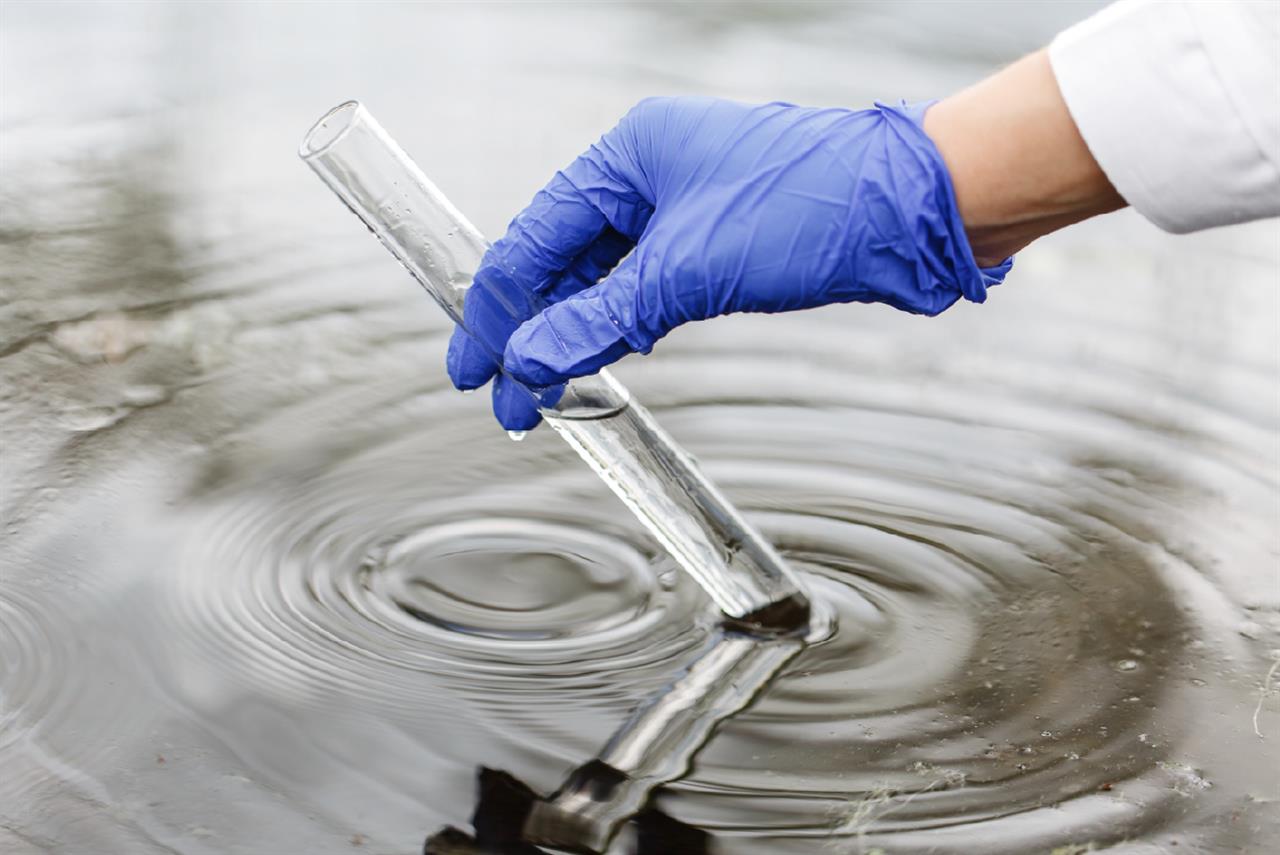
許多 PFAS 在環境中極難自然降解,製程廢水、消防訓練廢水、都市污水、掩埋場滲出水等,都可能使 PFAS 進入河川、土壤與地下水,並隨地下水遷移,因此距離污染源較遠的取水井也可能受到影響[2–5]。
當受污染的地表水或地下水成為自來水水源時,傳統混凝、沉澱、砂濾與消毒流程通常無法穩定去除溶解態 PFAS,尤其部分短鏈 PFAS 更容易穿透既有處理單元[5,6]。若供水系統未設置粒狀活性碳、陰離子交換樹脂或高壓膜等專門處理單元,即使飲用水中的 PFAS 濃度偏低,長期持續攝入仍可能使 PFAS 在體內逐漸累積,進而提高血清中的 PFAS 濃度[10-12]。

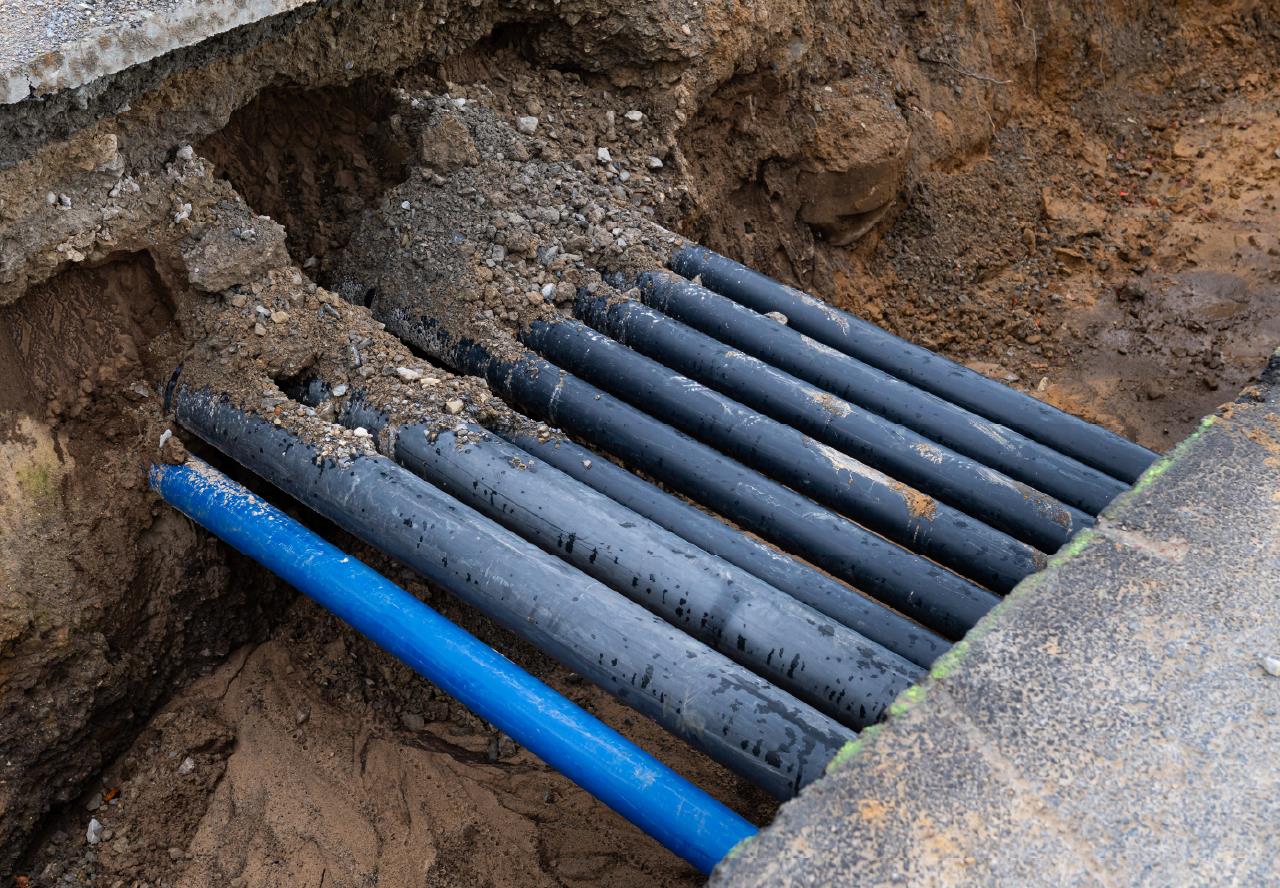
除了水源污染,在特定條件下,配水系統完整性也可能成為污染物進入飲用水的途徑。當管線破裂、抽水或瞬間高流量造成壓力驟降時,可能形成短暫負壓,使周圍土壤孔隙水或地下水進入管線[8,9]。若這些外部水體恰受 PFAS 污染,理論上也可能將 PFAS 帶入配水系統。
不過,目前直接證實「管線破裂或負壓使 PFAS 進入飲用水」的研究仍不多,然而在鄰近 PFAS 污染場址或地下水位較高的區域,做好管線維護、壓力監測、破管後沖洗與水質追蹤,仍是降低潛在風險的重要預防措施[8,9]。

飲用水中的 PFAS 之所以受到環境衛生學界重視,主要是因為部分 PFAS 具有體內持久性。某些長鏈 PFAS 進入人體後會與血清蛋白結合,並分布於血液、肝臟與腎臟等部位;部分化合物在人體中的半衰期可達數年,因此長期低劑量攝入仍可能增加體內負荷[10–12]。
目前流行病學與毒理研究顯示,特定 PFAS 暴露與血脂上升、肝臟代謝變化、免疫反應降低,以及部分發育與生殖結果存在關聯,但不同 PFAS、不同健康終點的證據強度並不完全一致[10–15]。例如,兒童研究曾觀察到較高 PFAS 暴露與疫苗抗體反應降低之間的關聯;歐洲食品安全局也將免疫反應列為 PFAS 健康風險評估的重要依據[14,15]。
致癌性方面,國際癌症研究機構(IARC)將 PFOA 分類為「對人類具致癌性」(Group 1),PFOS 則列為「可能對人類具致癌性」(Group 2B)[16]。整體而言,飲用水中的 PFAS 風險較屬於長期、低劑量累積的慢性暴露問題,而不是典型的急性中毒。

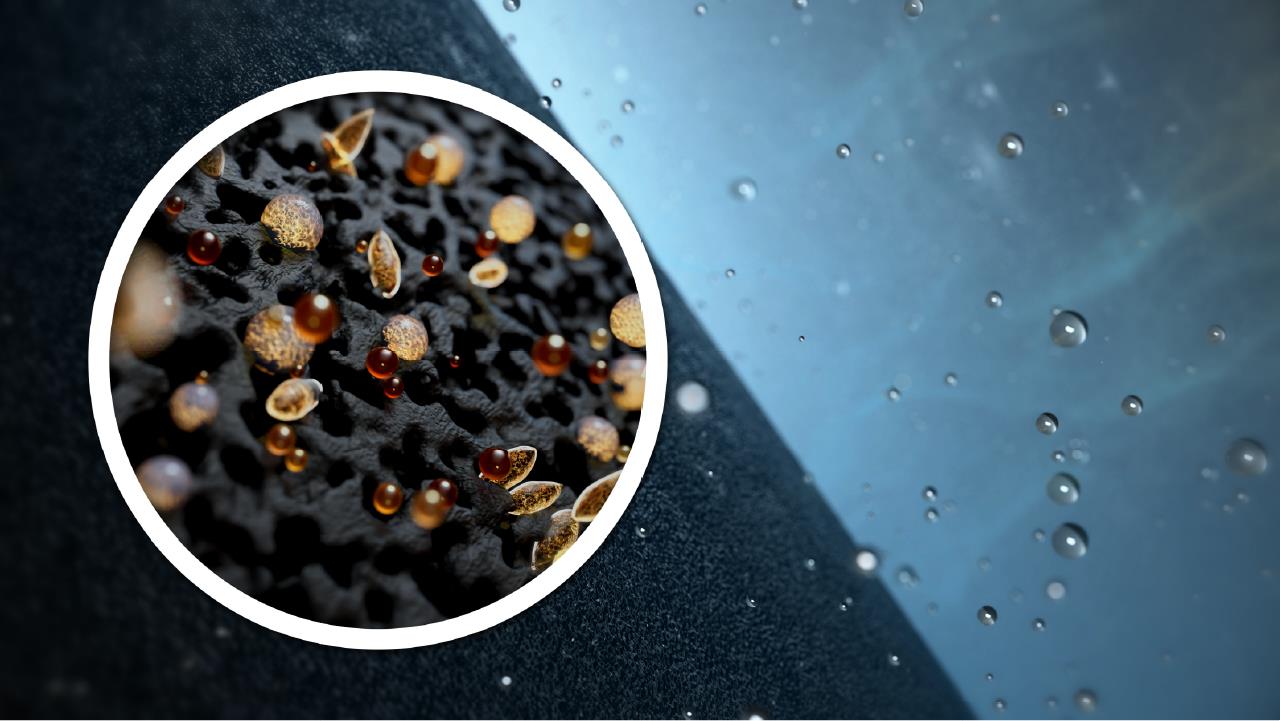
目前可用於降低飲用水 PFAS 的技術包括粒狀活性碳(GAC)、離子交換樹脂,以及逆滲透等高壓膜處理[6,7]。其中,活性碳是研究較多、實務上也廣泛使用的方法之一。
GAC 主要利用多孔性碳材表面吸附
PFAS,一般而言,對 PFOA、PFOS 等較長鏈 PFAS 的去除效果較佳;部分短鏈 PFAS 則較容易提早穿透濾床[6,17–19]。實際效果也會受到碳材種類、水中天然有機物、流速、接觸時間與濾材使用時間等因素影響,因此不能只看到「含活性碳」就推定一定能有效降低 PFAS。
對家庭用戶而言,如果希望降低飲水中的 PFAS,應優先確認產品是否經獨立測試或認證,並明確標示可降低 PFOA、PFOS 或其他 PFAS。同時,濾材吸附容量有限,仍需依額定處理水量及製造商建議定期更換濾芯[21]。EPA 也提醒,不同家用濾水設備對各類 PFAS 的去除能力並不相同。
參考文獻
[1]
Buck, R. C., Franklin, J., Berger, U., Conder, J. M., Cousins, I. T., de Voogt,
P., Jensen, A. A., Kannan, K., Mabury, S. A., & van Leeuwen, S. P. J.
(2011). Perfluoroalkyl and polyfluoroalkyl substances in the environment:
Terminology, classification, and origins. Integrated Environmental Assessment
and Management, 7(4), 513–541. https://doi.org/10.1002/ieam.258
[2]
Glüge, J., Scheringer, M., Cousins, I. T., DeWitt, J. C., Goldenman, G.,
Herzke, D., Lohmann, R., Ng, C. A., Trier, X., & Wang, Z. (2020). An
overview of the uses of per- and polyfluoroalkyl substances (PFAS).
Environmental Science: Processes & Impacts, 22(12), 2345–2373.
https://doi.org/10.1039/D0EM00291G
[3]
Ahrens, L. (2011). Polyfluoroalkyl compounds in the aquatic environment: A
review of their occurrence and fate. Journal of Environmental Monitoring,
13(1), 20–31. https://doi.org/10.1039/C0EM00373E
[4]
Hu, X. C., Andrews, D. Q., Lindstrom, A. B., Bruton, T. A., Schaider, L. A.,
Grandjean, P., Lohmann, R., Carignan, C. C., Blum, A., Balan, S. A., Higgins,
C. P., & Sunderland, E. M. (2016). Detection of poly- and perfluoroalkyl
substances (PFASs) in U.S. drinking water linked to industrial sites, military
fire training areas, and wastewater treatment plants. Environmental Science
& Technology Letters, 3(10), 344–350.
https://doi.org/10.1021/acs.estlett.6b00260
[5]
Gallen, C., Eaglesham, G., Drage, D., Nguyen, T. H., & Mueller, J. F.
(2018). A mass estimate of perfluoroalkyl substance (PFAS) release from
Australian wastewater treatment plants. Chemosphere, 208, 975–983.
https://doi.org/10.1016/j.chemosphere.2018.06.024
[6]
Rahman, M. F., Peldszus, S., & Anderson, W. B. (2014). Behaviour and fate
of perfluoroalkyl and polyfluoroalkyl substances (PFASs) in drinking water
treatment: A review. Water Research, 50, 318–340.
https://doi.org/10.1016/j.watres.2013.10.045
[7]
U.S. Environmental Protection Agency. (2024). Technologies and costs for
removing per- and polyfluoroalkyl substances (PFAS) from drinking water. Office
of Water, EPA 815-R-24-006.
[8]
LeChevallier, M. W., Gullick, R. W., Karim, M. R., Friedman, M., & Funk, J.
E. (2003). The potential for health risks from intrusion of contaminants into
the distribution system from pressure transients. Journal of Water and Health,
1(1), 3–14. https://doi.org/10.2166/wh.2003.0002
[9]
National Research Council. (2006). Drinking Water Distribution Systems:
Assessing and Reducing Risks. National Academies Press.
https://doi.org/10.17226/11728
[10]
Agency for Toxic Substances and Disease Registry. (2021). Toxicological Profile
for Perfluoroalkyls. U.S. Department of Health and Human Services.
[11]
Fenton, S. E., Ducatman, A., Boobis, A., DeWitt, J. C., Lau, C., Ng, C., Smith,
J. S., & Roberts, S. M. (2021). Per- and polyfluoroalkyl substance toxicity
and human health review: Current state of knowledge and strategies for
informing future research. Environmental Toxicology and Chemistry, 40(3),
606–630. https://doi.org/10.1002/etc.4890
[12]
Sunderland, E. M., Hu, X. C., Dassuncao, C., Tokranov, A. K., Wagner, C. C.,
& Allen, J. G. (2019). A review of the pathways of human exposure to poly-
and perfluoroalkyl substances (PFASs) and present understanding of health
effects. Journal of Exposure Science & Environmental Epidemiology, 29,
131–147. https://doi.org/10.1038/s41370-018-0094-1
[13]
Steenland, K., Tinker, S., Frisbee, S., Ducatman, A., & Vaccarino, V.
(2009). Association of perfluorooctanoic acid and perfluorooctane sulfonate
with serum lipids among adults living near a chemical plant. American Journal
of Epidemiology, 170(10), 1268–1278. https://doi.org/10.1093/aje/kwp279
[14]
Grandjean, P., Andersen, E. W., Budtz-Jørgensen, E., Nielsen, F., Mølbak, K.,
Weihe, P., & Heilmann, C. (2012). Serum vaccine antibody concentrations in
children exposed to perfluorinated compounds. JAMA, 307(4), 391–397.
https://doi.org/10.1001/jama.2011.2034
[15]
European Food Safety Authority Panel on Contaminants in the Food Chain. (2020).
Risk to human health related to the presence of perfluoroalkyl substances in
food. EFSA Journal, 18(9), 6223. https://doi.org/10.2903/j.efsa.2020.6223
[16]
International Agency for Research on Cancer. (2025). Perfluorooctanoic acid and
perfluorooctanesulfonic acid. IARC Monographs on the Identification of
Carcinogenic Hazards to Humans, Volume 135. World Health Organization.
[17]
Appleman, T. D., Higgins, C. P., Quiñones, O., Vanderford, B. J., Kolstad, C.,
Zeigler-Holady, J. C., & Dickenson, E. R. V. (2014). Treatment of poly- and
perfluoroalkyl substances in U.S. full-scale water treatment systems. Water
Research, 51, 246–255. https://doi.org/10.1016/j.watres.2013.10.047
[18]
McCleaf, P., Englund, S., Östlund, A., Lindegren, K., Wiberg, K., & Ahrens,
L. (2017). Removal efficiency of multiple poly- and perfluoroalkyl substances
(PFASs) in drinking water using granular activated carbon (GAC) and anion
exchange (AE) column tests. Water Research, 120, 77–87.
https://doi.org/10.1016/j.watres.2017.04.057
[19]
Belkouteb, N., Franke, V., McCleaf, P., Köhler, S., & Ahrens, L. (2020).
Removal of per- and polyfluoroalkyl substances (PFASs) in a full-scale drinking
water treatment plant: Long-term performance of granular activated carbon (GAC)
and influence of flow-rate. Water Research, 182, 115913.
https://doi.org/10.1016/j.watres.2020.115913
[20]
Crone, B. C., Speth, T. F., Wahman, D. G., Smith, S. J., Abulikemu, G.,
Kleiner, E. J., & Pressman, J. G. (2019). Occurrence of per- and
polyfluoroalkyl substances (PFAS) in source water and their treatment in
drinking water. Critical Reviews in Environmental Science and Technology,
49(24), 2359–2396. https://doi.org/10.1080/10643389.2019.1614848
[21]
U.S. Environmental Protection Agency. (2024). Reducing PFAS in your drinking
water with a home filter. Office of Water.
https://www.epa.gov/water-research/reducing-pfas-your-drinking-water-home-filter